What’s the Point of All These Old Testament Laws? (And Why They’re Not Just Ancient Buzzkill Rules)
I remember the first time I tried to read the Bible cover to cover. Genesis? Solid. Exodus? Gripping! Burning bushes, plagues, a sea splitting in half. I was feeling confident, like maybe I was finally going to understand all this faith stuff in one go. Then I hit Leviticus, and Leviticus hit back.
If you’ve ever been there, you know exactly what I mean. One minute you’re reading about miracles, and the next you’re knee-deep in regulations about mildew and which kind of fabric combo will get you in trouble. I sat there thinking, “Am I the only one who feels like I accidentally picked up an ancient HOA manual?”
And yet, those pages aren’t just relics from an ancient world. They were, and still are, God’s way of teaching us something we desperately need to remember in a culture that often shrugs off holiness as outdated.
A Holy God in Ordinary Details
Back then, Israel wasn’t just a random group of wanderers. They were a newly freed nation learning what it meant to belong to the God who had just rescued them from slavery. These laws were a roadmap for living set apart from every surrounding culture.
What looked to them like clear boundaries looks to us like overkill. But God wasn’t micromanaging their flour and fabric for no reason. Every instruction was a reminder that He is holy. He is not like us. He cares about every detail because those details shape our hearts more than we realize.
If you’ve ever wondered why all these rules mattered so much, think about it this way: we tend to approach God on our terms, but holiness demands we come to Him on His.
The Laws That Pointed Forward
It’s easy to get tangled up in questions like, “Am I supposed to follow all of this today?” That’s where context matters. Some laws were ceremonial, designed to point forward to Jesus. All the sacrifices? They weren’t busywork for the Israelites. They were reminders that sin requires payment and that God was already planning a better way.
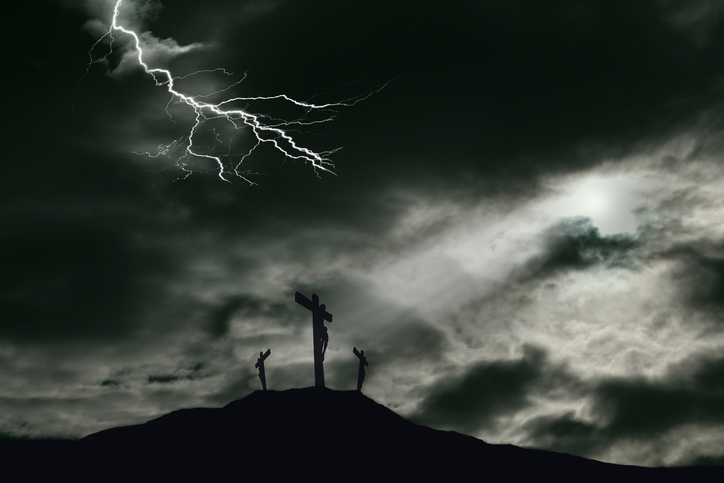
When Jesus came, He fulfilled those laws. He became the final sacrifice. Hebrews 10:1 says these laws were “a shadow of the good things that are coming, not the realities themselves.” In other words, they were signposts pointing to the cross.
What Still Applies and Why It Matters
Some Old Testament laws were ceremonial, meant to foreshadow the ultimate sacrifice of Christ. Hebrews 10:1 explains it this way: “The law is only a shadow of the good things that are coming—not the realities themselves.”
These laws—sacrifices, rituals, cleansing ceremonies—pointed ahead to Jesus, the Lamb of God who would fulfill them completely.
Other laws were civil, given to Israel as a nation set apart in the ancient Near East. They covered everything from property disputes to dietary restrictions (Leviticus 11). Because we’re no longer under that covenant (Hebrews 8:13), these civil laws aren’t binding for us today.
Then there are moral laws, reflecting God’s unchanging heart for justice, mercy, and righteousness. Commands about honesty, sexual ethics, caring for the vulnerable, these weren’t temporary cultural rules. They flow from God’s character, which doesn’t expire (Malachi 3:6).
This is where people sometimes get tripped up. They’ll point to a verse about not mixing fabrics (Leviticus 19:19) or not eating shellfish as proof that Christians are cherry-picking. But the reason we don’t sacrifice goats or avoid shrimp isn’t that we’re ignoring Scripture, it’s that Jesus fulfilled the covenant those laws belonged to.
In His own words, Jesus said: “Do not think that I have come to abolish the Law or the Prophets; I have not come to abolish them but to fulfill them.”(Matthew 5:17)
He didn’t come to throw everything out like dirty bathwater. He came to complete it. The ceremonial and civil laws had a purpose in redemptive history; to prepare a people and point them to the Messiah. When Jesus arrived, He fulfilled that purpose (Colossians 2:16–17).
ld But the moral law? It still shows us what holiness looks like, because it reflects the heart of the God we serve.
Why Bother Reading Them at All?
It’s tempting to skip these chapters entirely. But if you do, you miss out on the bigger story. Because those laws weren’t about trapping people in rules. They were about teaching them—and us—that God isn’t casual about sin. He isn’t indifferent to holiness. And He cares enough to show us exactly what it looks like to live in a way that honors Him.
Even now, in a world that’s all about doing whatever feels good in the moment, God is still holy. He’s still worthy of reverence. And He’s still calling us to something higher than comfortable, self-made spirituality.
So the next time you feel yourself glazing over in Leviticus, remember this: every sacrifice, every regulation, every detail pointed forward to a Savior who would one day say, “It is finished.” And He really meant it.
If you’re new to this or just feel like the Old Testament is a giant puzzle you can’t solve, you are not alone. I wrote the booklet Meet Your Maker to help you see how the first 5 books of the Bible, even Leviticus, reveal God’s heart. If you haven’t read it, you can grab a free copy here. I promise it’ll make all those “why does this matter?” questions a little clearer.
☕ A little faith, a little courage, and a whole lot of stubborn joy. – Tonya
What’s one Old Testament law that’s always puzzled you—or made you laugh? Drop a comment. I’d love to hear your questions and dig into it together.